
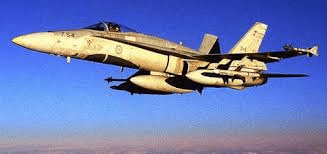
One of my enduring pet peeves is the muddled language used by reporters and news outlets to describe military aircraft. Particular models deployed in war zones or crisis situations are often characterized under generic terms, like “jet fighters” or “military bomber planes,” that are at best vague and at worst flat-out inaccurate. For journalists, editors, and news consumers, here’s a quick glossary that should help understand – and identify – the types of flying machines which might make contemporary headlines.
Jet
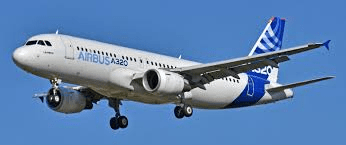
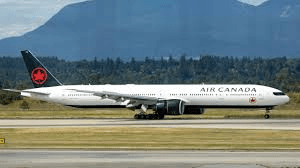
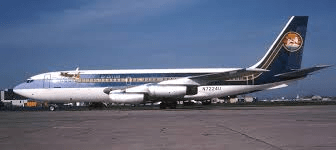
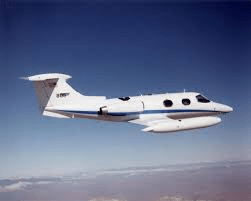
Technically, a jet is simply a form of engine that uses powerful exhausts to propel a vehicle. Since the 1940s, airplanes with jet engines have been called just jets, to distinguish them from older propeller-driven makes, as well as from gliders and helicopters. A jet or jet aircraft is not necessarily a military plane, though – many familiar airliners are jets, including the Boeing 757, Airbus A320, as well as business aircraft such as those in the Bombardier Challenger line. To say only that such-and-such a country attacked enemy installations with “jets” could theoretically imply that passenger or commercial cargo planes were enlisted.

Fighter
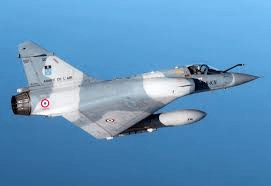
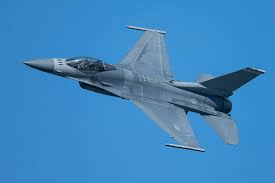
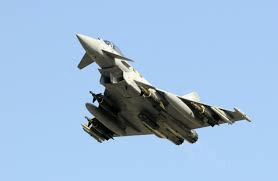
Developed during World War I, fighter refers to an aircraft that is fast, maneuverable, and relatively small, designed primarily to destroy other aircraft in flight, using onboard machine guns, cannon, or air-to-air missiles. Most fighters have carried but a single crewman (the pilot), although historically some have been manned by two or even three personnel. In the Twenty-First Century, such machines often carry bombs or missiles to hit ground targets as well; the term fighter-bomber has been applied to these makes. In any case, fighter generally denotes an agile, high-performance airplane intended for combat operations. In principle, of course, all military planes serve to “fight” (including transports, and rescue or reconnaissance aircraft), but fighter is properly reserved for specialized aircraft meant for aerial battle. American forces use the prefix F followed by a numerical marker to identify the different fighter planes in their arsenal, replacing the previous P, for Pursuit.
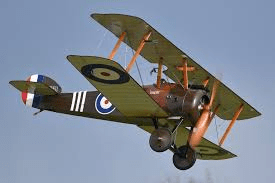
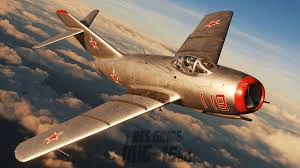
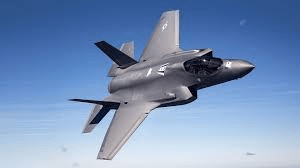
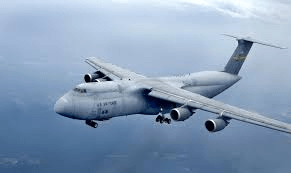
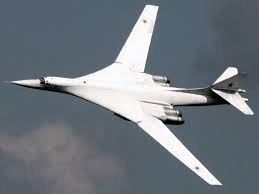
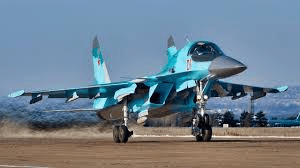

Jet Fighter
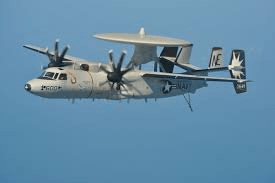
It should be obvious, but not all military planes are jets, fighters, or fighter jets. Some jets don’t fight, while some aircraft used in military engagements are not fighters. Until about 1950, indeed, not all fighter planes were jets, but since then there have been no frontline fighters that are not powered by jet engines. Yet many media accounts will reference “jet fighters” to stand for any heavily armed aircraft used by national armed forces, in lieu of more precise wording. Sometimes you’ll even hear anchorpeople talk about devastating assaults by “military jet fighters” (as opposed to privately owned civilian jet fighters?).
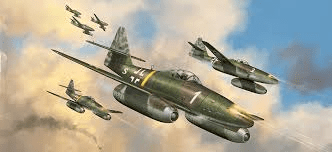
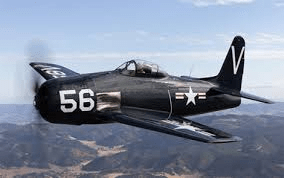
Bomber
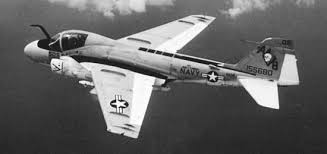
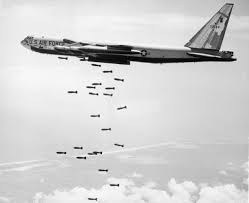
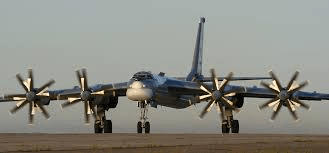
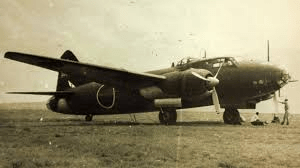
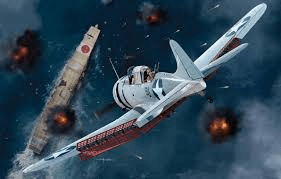
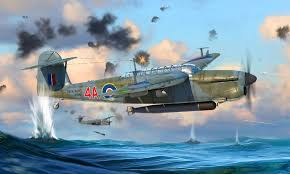
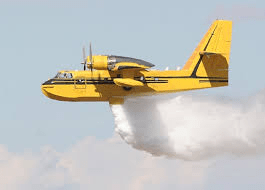
As with fighter, the aeronautical technology of 2025 threatens to make this descriptor obsolete, since many types of aircraft and helicopters (themselves also aircraft, if you want to be picky) can drop bombs. In World Wars I and II and the Cold War, bombers were basically large planes with more than one engine and sometimes up to a dozen crewmen, built to carry and deliver payloads against ground or sea targets. There were subcategories of heavy bomber, medium bomber, light bomber, dive bomber, and torpedo bomber; even some modern airplanes sent to extinguish forest fires are called water bombers. Today, advanced fighters can haul bombs and other weaponry (although at the expense of speed), whereas the largest bombers can only defend themselves against other planes, using onboard gun stations or auxilary flares that divert heat-seeking weapons. They do not hunt other aircraft themselves. A jet bomber, then, is specifically a bombing plane powered by jet engines, while some militaries still use prop-driven aircraft in a bombing role.
Warplane
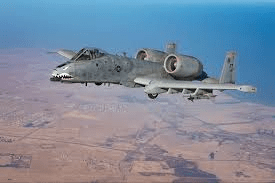
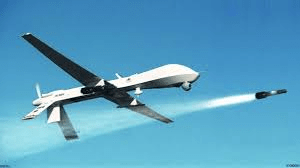
Given the kinds of asymmetric warfare we’ve become used to in the last few decades, whereby high-tech armament is put to service against small-scale guerilla or insurgent operations, the distinct military aircraft classifications of the past may be forever behind us. It’s unlikely we’ll see any more dueling dogfights between evenly matched fighter planes, or vast fleets of heavy bombers setting out to destroy a factory or a city while fending off nimble single-seat fighters. Drones, along with missiles of various sizes, launch sites, and destructive capacity, have also replaced airplanes for many purposes. For these reasons, sophisticated military designs may be called attack aircraft by their users, or simply warplanes in press coverage. Both terms fairly depict the planes and their missions. But for news platforms, it’s still worth knowing and naming the different aerial weapons correctly – at least until the happy day when they’re no longer in the news at all.
 George Case, Writer